Author: Ozan Doğan Avunduk
The independent music scene in Turkey faces persistent structural hurdles, from overcentralised power to entrenched gender inequality. Inspired by the musical term “crescendo”—a gradual increase in intensity—Kreşendo has emerged against this backdrop. As an innovative organisation born in İstanbul, Kreşendo forges sustainability and equality within the country’s music industry.
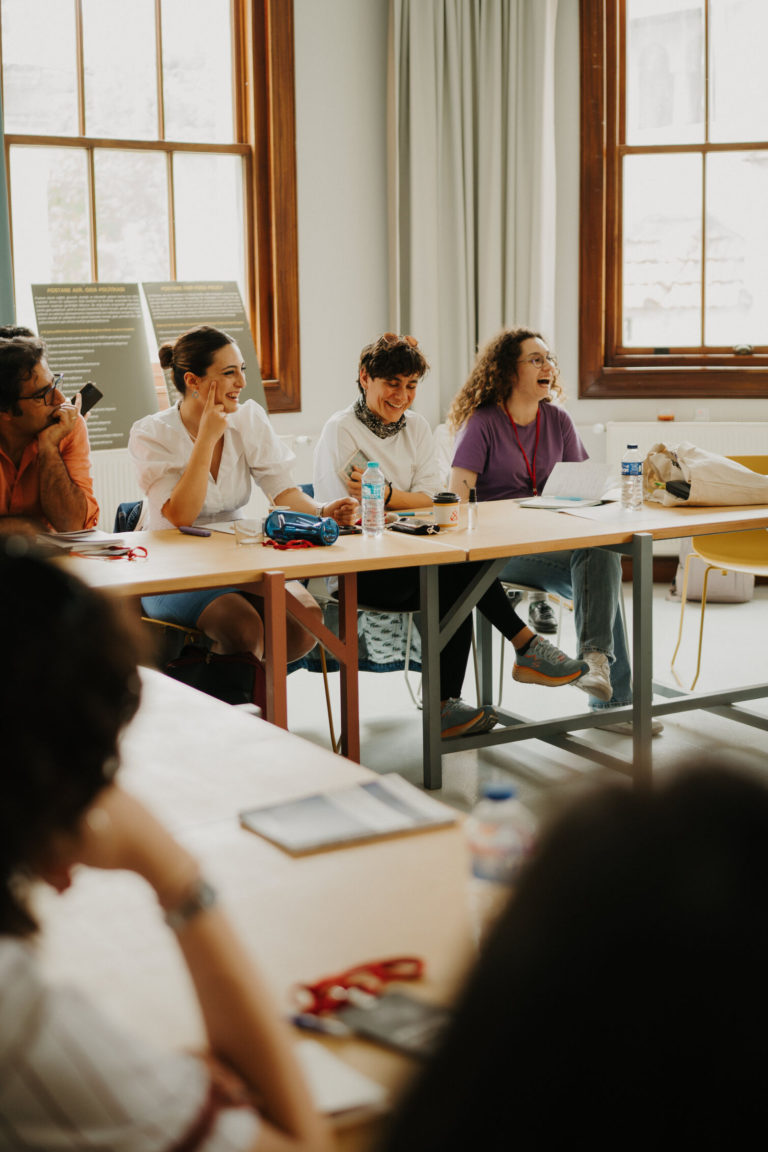
Kreşendo's Career Camp — © Kreşendo Team
The musician, sound designer, and producer Beril Sarıaltun felt compelled to act as she noticed the issues and deficiencies in the music industry throughout her career. In June 2021, she founded what was formerly ‘Beats by Girlz Turkey’ (BbG), a project with the aim at helping “Turkey’s women and disadvantaged groups finding more space on the music stage”. Since then, BbG’s broadening education-focused activities evolved into Kreşendo: “a musical universe for both musicians and music lovers”, as described by its founder. Today, Kreşendo’s projects, ranging from festival organisation to talent development programmes and sectoral studies aim to transform the music ecosystem into a space of inspiration, expression, and discovery for everyone.
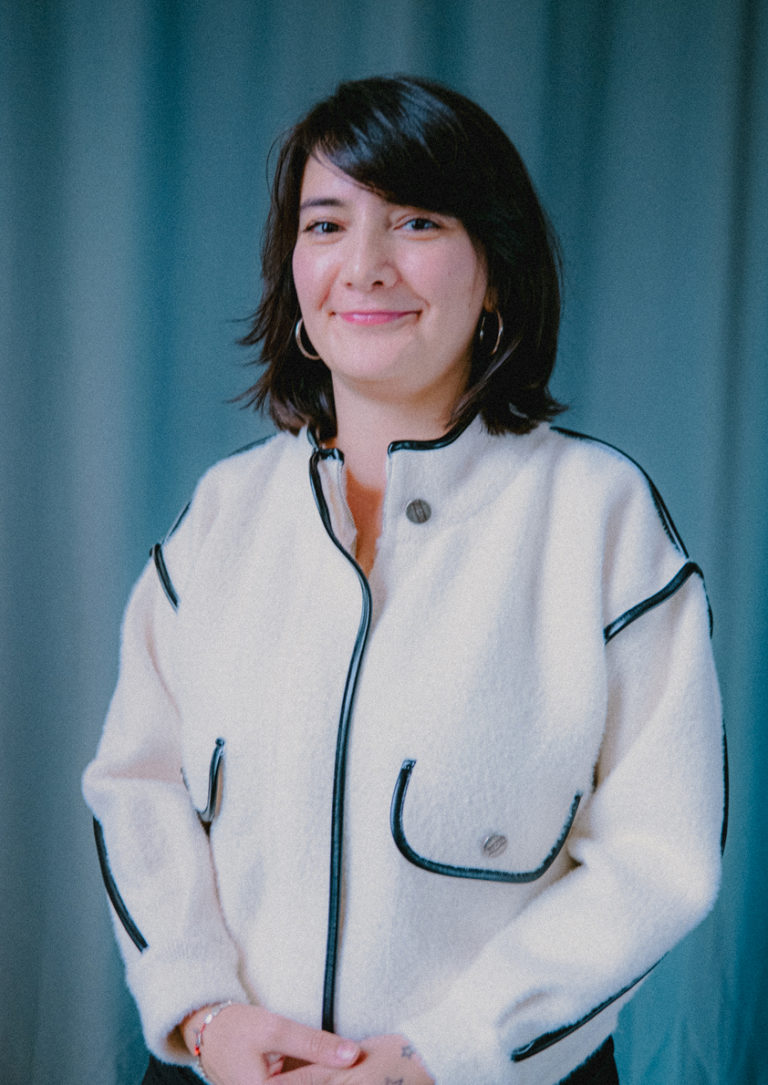
Beril Sarıaltun, founder of Kreşendo — © Mehmet Can
Empowering the Musician Through Research, Training, and Advocacy
“Turkey’s music ecosystem has great potential; however, effective tools and policies are needed to analyse its multi-layered structure” claims Sarıaltun, the founding director of Kreşendo. That is why Kreşendo’s commitment to independent musicians and equality is anchored in rigorous research, providing the empirical basis for advocating for systemic change. The central pillar of this effort is the ‘Equality in Music: The Status of the Musician in Turkey’ report (Müzikte Eşitlik: Türkiye’de Müzisyenin Durumu), which received crucial support from UNESCO. Defined by its deep commitment to regional inclusion, the project deliberately expanded its geographical scope over the course of three years. “Within the framework of the ‘Equality in Music’ Project, we held roundtable meetings in Istanbul, Diyarbakır, İzmir, and Ankara, with sector professionals and musicians”, details Sarıaltun. She notes that the diverse geographical coverage was essential because “different topics emerged in each city,” all of which were included in the final report published in May 2025.
Based on 48 interviews, 371 survey responses, and 107 stakeholder meetings, the “Equality in Music” research finds that musicians’ economic insecurity and restricted free speech are inextricably linked to systemic uncertainty and a lack of effective representation. One of the most fundamental issues is the lack of a comprehensive legal definition for the profession of musicianship making it difficult for musicians—especially those who earn their income through live performances—to achieve financial security. This deficiency prevents artists from benefiting from social security opportunities, disrupting their career development. While the absence of official wage policies prevents musicians from fairly demanding the value of their labour, the—unfortunately—common practice of working without contracts hinders the pursuit of rights through legal channels. The inability of musicians to allocate time and resources to their own productions also constitutes a serious obstacle to their career progression, given the need to sideline their creative practices due to economic insecurity. Frequent event cancellations and venue closures prevent musicians from making long-term plans, forcing them into strategies aimed merely at “saving the day.” The struggle against these conditions is carried out individually due to a lack of organised advocacy, failing to exhibit a sufficiently strong character. In addition, the current era of digital transformation also presents its own set of problems, as “listening habits are shaped by algorithms” according to Sarıaltun. This issue is forcing musicians into a “visibility struggle” against seemingly invisible barriers.
However, these very core issues indicate exactly where to begin to build a more fair and inclusive future in the music industry. Kreşendo’s deep research commitment feeds into practical empowerment through the Career Camp, a UNESCO-supported project. Sarıaltun describes the intensive three-day programme: “We aimed to inspire and provide applicable tools for sustainable careers to musicians and music professionals.” While the initial camp has concluded in May 2025, Kreşendo aims to continue similar artist programmes in the future with new content and collaborations, cementing its role in driving both research and practical transformation in the Turkish music industry.
For Kreşendo, the role of industry actors is clear: they must work in collaboration to “undertake roles such as advocacy, policy development, and resource provision” so that the status of the musician can be strengthened, and both the recorded and live music ecosystems be genuinely improved.
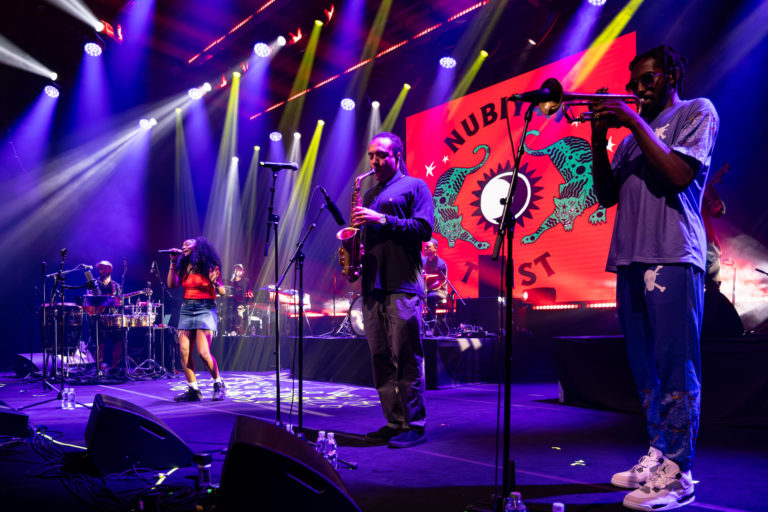
Kreşendo’s project entitled "Belongs to Us Festival" consists of music, dance performances, inspirational talks, and workshops — © Mehmet Erdem Çağlar
Fighting Gender Inequalities
Kreşendo’s research findings demonstrate the gender-based inequalities and exclusionary practices in music programming and access to the stage. In Turkey, women and LGBTQ+ musicians find fewer opportunities for visibility and performance compared to their male peers, facing greater pressure regarding their image and freedom of expression.
Kreşendo mounts a determined fight for systemic change regarding gender equality, viewing it as a prerequisite for a fair and robust music industry. This is highlighted by its talent development programmes such as the ‘My City My Voice’ (Benim Şehrim Benim Sesim) project, designed to support women musicians from across Turkey and beyond at the start of their careers. Within the scope of this comprehensive project, organised 3 times since 2021, Kreşendo provided music production training and supported musicians in creating original songs, guiding them through their first experience of handling a production process on their own. This initiative has expanded significantly, spreading to İstanbul, İzmir, Diyarbakır, Gaziantep, Ankara, as well as the Balkan countries such as Albania, Bosnia and Herzegovina, Kosovo, North Macedonia, and Serbia, proving Kreşendo’s years-long efforts to support the independent scene across a wide geography.
This commitment to gender equality extends beyond supporting individual women artists to creating structures that facilitate their success in a male-dominated field. A prime example of this commitment is the still-ongoing Beats by Girlz festival and summit, enabling women to encounter creative experiments in the fields of music and technology, while operating with core principles of gender equality and sustainability. By focusing on technology and production—areas where women are historically underrepresented—BbG helps closing the knowledge gap and builds a strong, supportive network for women creators.
Further cementing its role in this fight, Kreşendo is set to take over the organisation of the WOW – Women of the World Festival in 2026 in Istanbul. By taking the responsibility of the festival which has been organised solely by the British Council in the last five years, Kreşendo aims to “multiply and strengthen voices in the struggle for gender equality”, explains Sarıaltun.
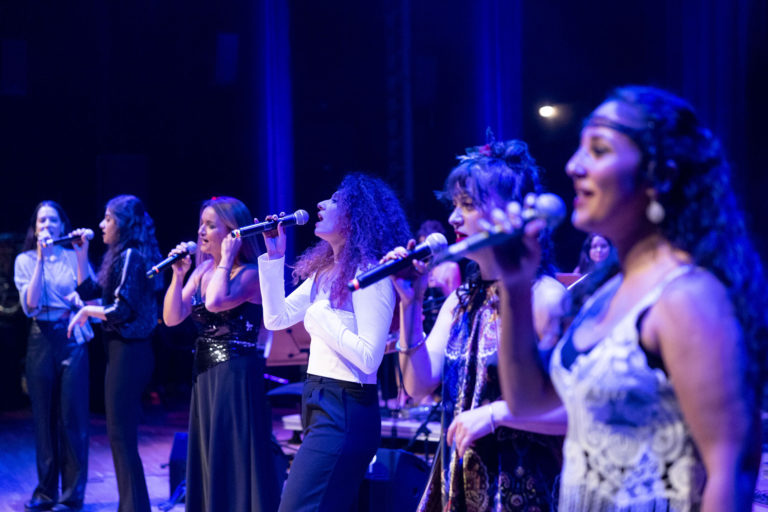
My City, My Voice project — © Emirkan Cörüt
Democratising Culture and Reclaiming Public Space
Kreşendo actively embodies the principle of democratising culture by strategically transforming public places into areas of free cultural and musical expression, directly challenging the traditional concentration of culture in elite or private venues. The flagship project in this area is ‘Venues That Bring Us Together’ (Bizi Buluşturan Mekanlar). Recognising that cultural life in Turkey, particularly in Istanbul, is often subject to political pressures and restrictions, Kreşendo partners up with municipalities to ensure public spaces are used as platforms for accessible culture. Last year, in collaboration with Istanbul’s Ataşehir, Maltepe, and Şişli district municipalities, Kreşendo prepared a guide offering approaches and tools to developing participatory and inclusive cultural policies and spaces. Following the guide's launch, a series of workshops invited participants to craft personal city maps. Through sketches, brief annotations, and visual storytelling, they traced their own unique perceptions of the neighborhood and the broader urban landscape.
Within the ‘Venues That Bring Us Together’ project, Kreşendo does more than just organising concerts; they hold sessions in neighbourhoods, thereby engaging local citizens directly. A vivid example is the Maltepe festival, organised in Maltepe, a densely built-up and bustling residential district on Istanbul’s Asian side. The event seamlessly associated culture and public space by including interactive urban imagery and drawing workshops for adults, and featured the Peradi Ensemble, a multilingual and polyphonic independent women’s vocal band, who performed in Maltepe Square. Sarıaltun underscores Kreşendo’s essential function in this constrained environment: “We continue to open up space for musicians and support their production from the beginning.” For culture professionals, she affirms their commitment to “creating a fair, participatory, and sustainable music ecosystem.” Beyond the research, Kreşendo’s most visible work for music lovers is their festival, which Sarıaltun describes as “one of our most special works that celebrates togetherness.” They recently concluded the fourth edition of ‘This Festival is Ours’ (Bu Festival Bizim) with a line-up noted for its broad diversity in genre and age range.

2MUCH! performance — © Begüm Ars
In conclusion, the work of Kreşendo powerfully illustrates that building a sustainable and equitable cultural ecosystem requires systemic intervention. Committed to evidence-based research, Kreşendo provides the necessary ground zero for advocacy, policy development, and resource mobilisation while simultaneously democratising physical spaces and fighting gender inequality through targeted programmes. The goal is clear: making the music ecosystem a space of truly equal opportunity for all.
Published on March 3rd, 2026
About the author:
With a background in Political Science and Communication from Turkey's Galatasaray University, Ozan Doğan Avunduk holds a master's degree in South West Asia-North Africa Studies from the École Normale Supérieure de Lyon in France. Since 2015, Avunduk's insightful articles and news reports on foreign policy, culture, and minority communities have been featured in various independent outlets. These include Medyascope, Cumhuriyet, and Independent Türkçe in Turkey, and Mediapart, La Lettre du Musicien, and Recherches Internationales in France, where his work continues to appear.