

Author: Steven MacKay
One of Europe’s leading electronic music festivals has achieved long-term stability. But how did they do it?
© Nico Sancier
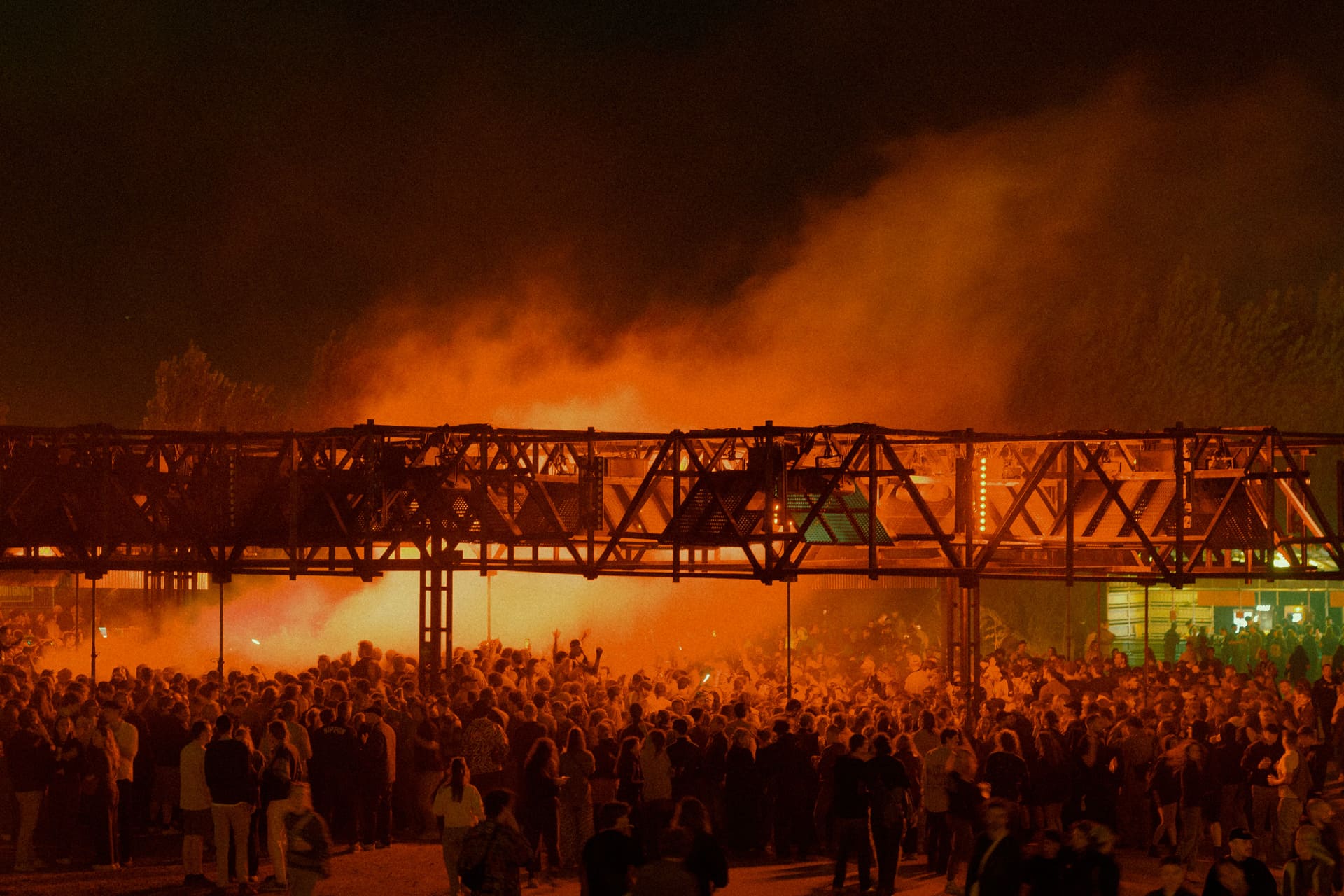
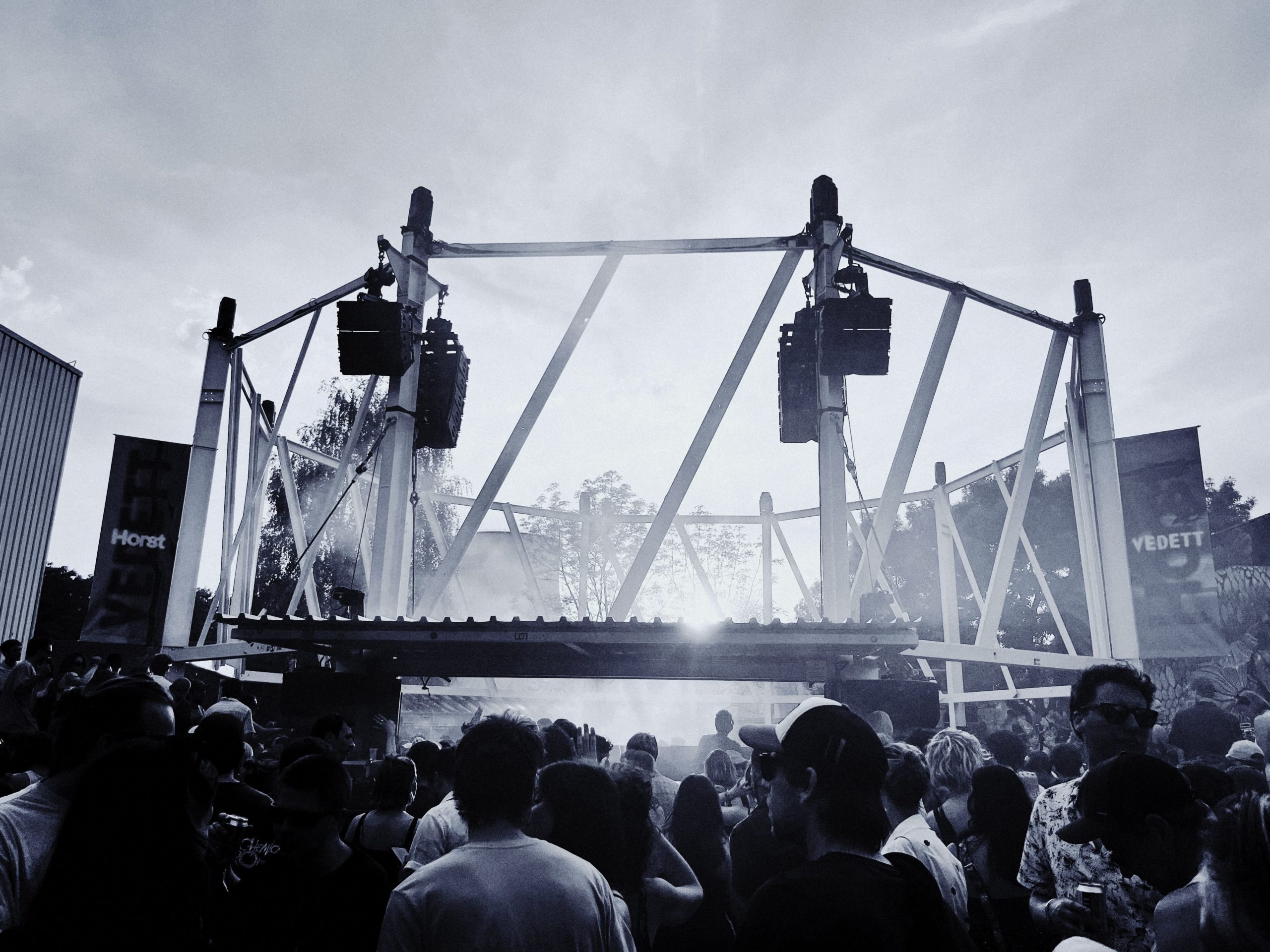
Set within the reclaimed grounds of Asiat Park in Vilvoorde, just outside Brussels, Horst has evolved far beyond a three-day electronic music and design festival. The project used public infrastructure funds to create cultural sustainability in the form of a playground (both literally and figuratively) for sustainable architecture, creative collaboration, and community integration.
© Kopie van Willem
Humble Beginnings?
Horst’s origins date back to 2014, when a group of Belgian creatives launched a festival on the grounds of Horst Castle near Leuven. Their goal was to explore how architecture could shape the festival experience and how temporary structures might foster collaboration between emerging designers and established musicians.
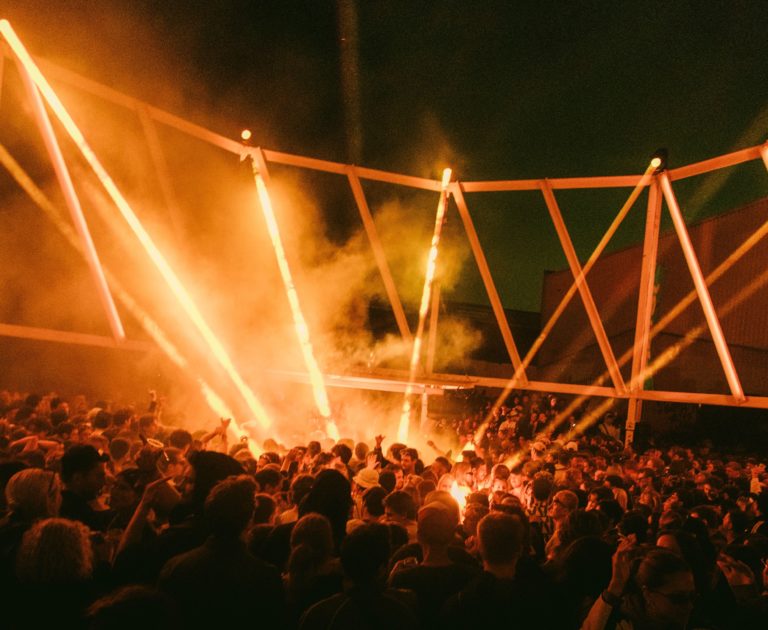
Each edition saw the festival build temporary pavilions and installations alongside an adventurous electronic music programme. The formula resonated and within a few years, Horst became known across Europe for its spatially immersive stages, visionary curatorial approach, and heavyweight electronic music programme.
When the opportunity arose in 2021 to relocate to a decommissioned Cold War military base in Flanders just north of Brussels, the team saw a chance to evolve from a pop-up festival into something permanent. Following a successful tender application and winning of a substantial EU grant, the team started a new chapter.
© Kopie van Willem
Who’s Behind It?
Horst’s founders form a diverse, multidisciplinary team whose combined expertise is the foundation of the festival’s sustainable growth. Jochem Daelman, with a background in communication and cultural management, provides overall leadership and strategic vision. Mattias Staelens, a trained architect, leads the festival's distinctive artistic and spatial strategy. Wim Thijs, a musician with deep sector experience, focuses on organisational development and internal culture, while Thomas Van Ostaede, educated in political science and cultural management, oversees financial and business strategy. Together, their complementary skills in governance, artistic direction, operations, and finance have created the solid structure enabling Horst's evolution.
The group got together in 2014 through friendships and shared connections during the festival’s early formation, a stage in their lives when they were leveraging their diverse professional skills into a largely volunteer-driven passion project. This organic, project-centric beginning was slightly different from how a regular arts collective or community centre is often born. Nonetheless, the founders share a conviction that culture is a driver for long-term spatial, social, and organisational impact. Their mission is guided by core values of collaboration, social impact, artistic integrity, and a focus on building sustainable structures that can evolve while staying rooted in their local context.
Their approach is pragmatic rather than utopian. Both of the founders interviewed describe the festival as a “catalyst”—a spark that accelerates wider transformation in how space, culture, and community intersect. By embedding long-term thinking into the DNA of a cultural project, they’ve created something rare in the European independent scene: a self-sustaining ecosystem that’s both artistically ambitious and structurally stable.
© Nico Sancier
The Site: Asiat Park and the City of Vilvoorde
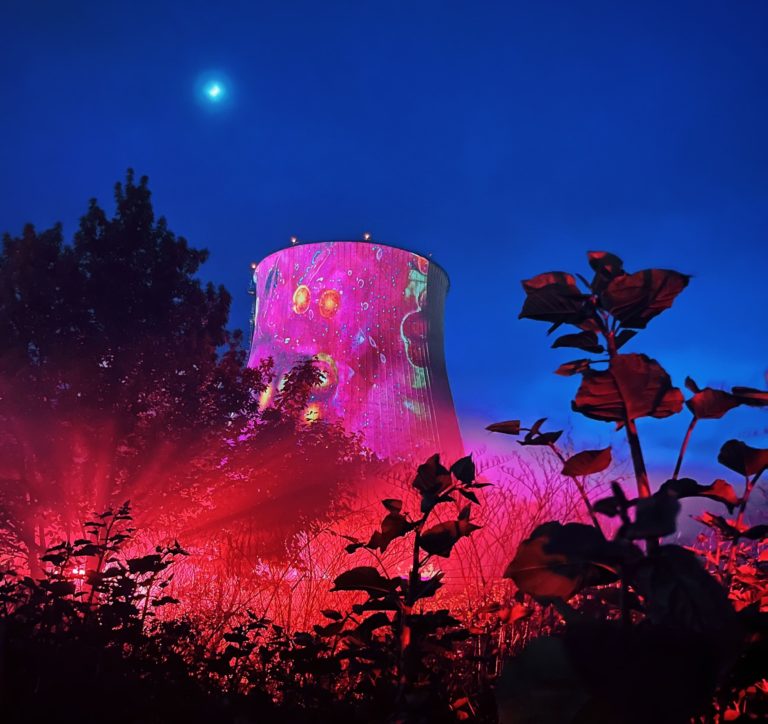
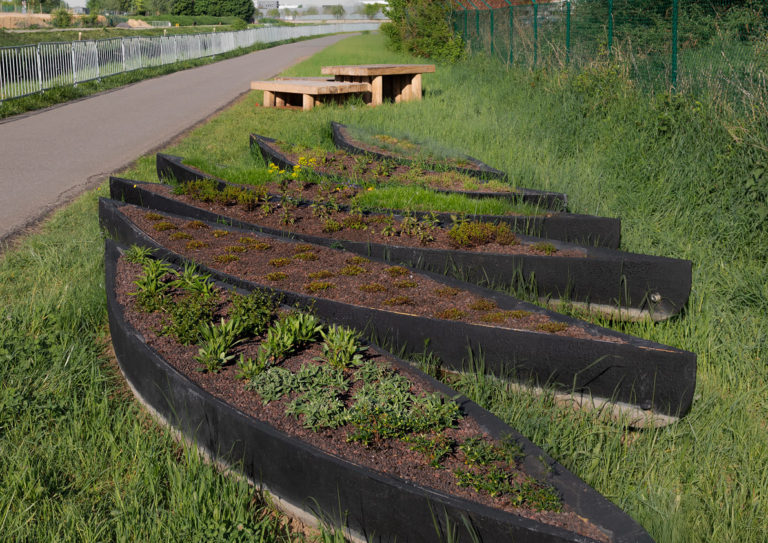
Asiat Park spans roughly 10 hectares (10,000m2) of mixed green and industrial land on the edge of Vilvoorde. Once a cold war military zone, the municipality and festival reimagined it as a hybrid public park and series of creative hubs which are now home to event spaces, studios, and open-air installations.
Vilvoorde, a former industrial centre, is now one of Belgium’s most demographically diverse cities. This diversity has directly influenced Horst’s mission: to create shared spaces that foster coexistence between artistic production and local everyday life.
As a part of the organisation’s contract with the state, the park must remain open to the public year-round, serving as a green lung for the local community. The organisation also uses it as a testing ground for circular design and sustainable materials, in this way, Horst avoids the “build and burn” pattern typical of temporary festivals—instead nurturing a landscape that grows with time.
© Eline Willaert
What It Has Become
The two major steps in Horst’s transformation was its success in winning a tender for the site from the Vilvoorde Council and securing European Regional Development Fund (ERDF) support, distributed regionally via the local municipality, a regional redevelopment channel under the Flemish Government. The grant—quoted at €3 million—enabled the redevelopment of the Asiat Park site, covering infrastructure, utilities, and the creation of public and cultural spaces.
The two opportunities allowed the team to grow roots and begin to develop a location retaining some of the value they put into the festival year on year. The project also aligned well with EU policy priorities of urban regeneration, environmental sustainability as well as public access and inclusion.
By articulating its value not only in artistic terms but also regarding socioeconomic and environmental impact, Horst positioned itself within the logic of regional development rather than cultural subsidy alone.
To maintain the status quo with local government, the founders keep a very close contact with the local municipality, having regular meetings with them and often engaging with their current political drives and inviting them to use the Asiat park project to launch initiatives. It’s a tricky PR tightrope between staying on the good side of the politicians and not aligning too closely—but Jochem seems to have it locked down, for now.
Today, Horst operates as a multi-purpose cultural site. The festival remains its flagship event, but the grounds host a growing network of studios, workshops, and community spaces.
Several venues, bars, and creative studios now run year-round, drawing visitors and residents alike and the organisation are developing their programme to include more electronic music events including ‘all-nighters’ which go from late at night right through to the next day. The site’s mixed-use strategy not only diversifies income, but also ensures constant engagement between the organisation and the local population.
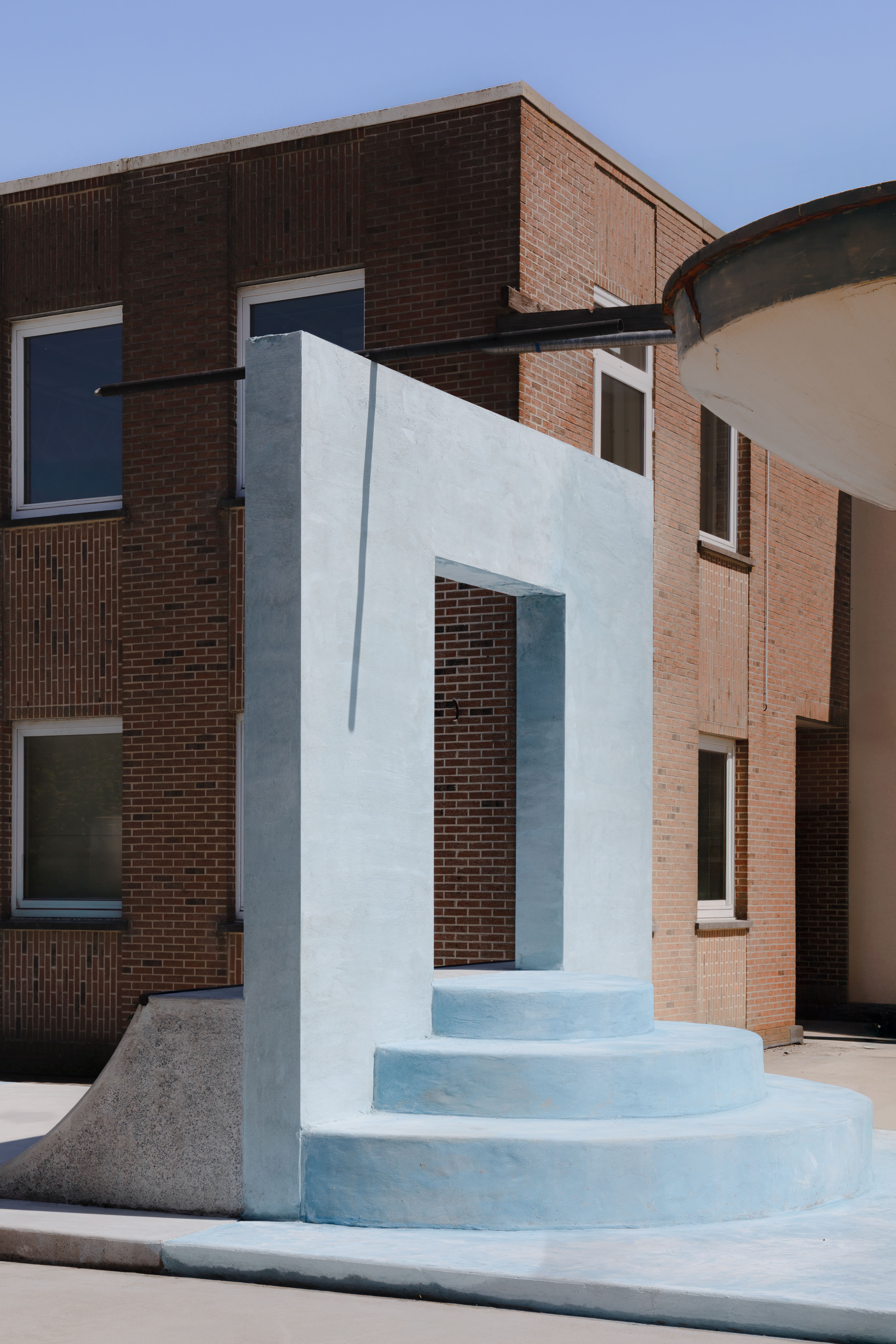
To enable the continued development of the site and arguably the heart of the project—the architectural vision—the team makes use of a yearly Atelier programme. Each year, the programme invites up to 80 graduate architects, designers, and craftspeople for a hands-on residency, designing, and constructing new installations for the festival and park.
The ateliers act as a training ground for sustainable design and collective building methods, with the participants gaining experience across the entire project lifecycle—from concept to construction. The reliance on volunteer or low-paid labour, however, remains a contested issue. Across Europe, the use of unpaid creative work has become a sticking point in debates around cultural equity and fair practice.
But in fairness the ateliers offer practical learning opportunities rarely available to early-career designers—an entry point into real-world architecture that many see as invaluable. The immediacy of this feedback loop—designing, building, then seeing an audience interact with your work—is an extremely valuable education in itself.
© Eline Willaert
Points for Reflection
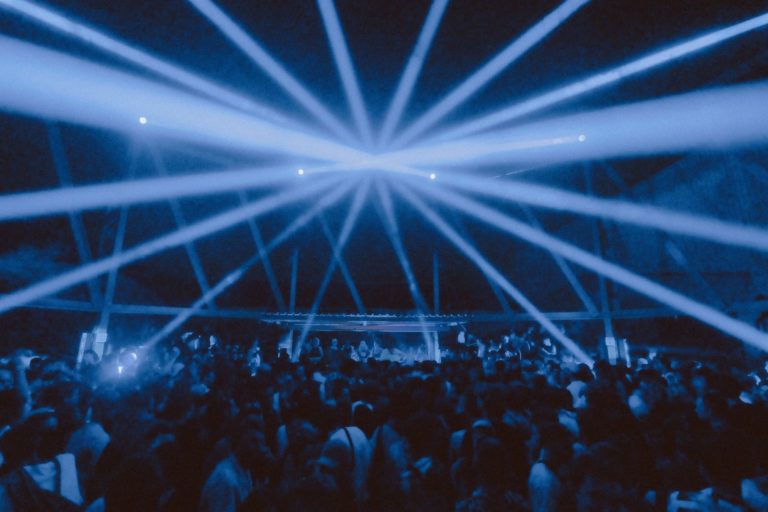
Overall, the festival is definitely delivering on high value experiences for the guests—with 4 days of some of the best electronic music programming in the world right now on sometimes excessively large soundsystems. It’s truly an experience worth checking out, but despite its many successes, Horst’s model isn’t without its criticisms.
Some argue that the emphasis on architectural integrity and community process can come at the expense of artistic experimentation or visual spectacle. Others question the sustainability of relying on internships in a professionalised industry while innovating the design of the park.
The local integration is also still a work in progress, with both founder Jochem and Simon acknowledging there’s still a long way to go to integrate the local, highly diverse population. As Simon Nowak puts it, “it’s not always easy to find common ground with the local community, but we’re constantly balancing the needs of the park and the ambitions of the festival.”
These debates are valid and indeed, necessary for the continued evolution of fair and resilient cultural ecosystems. Yet, even its imperfections reveal something important: that Horst is not a finished product, but a living, adaptive framework. In a moment of cultural despair across the continent, shouldn’t we be celebrating the actors that are pulling it off? Or at least learning from them?
Published on February 3rd, 2026
About the author:
Founder and President of Arroz Estudios Association, Steven MacKay is a creative with a technical background innovating at the forefront of arts & technology. Originally from Manchester, UK, Steven spent his early 20s programming venues, festivals, creating immersive arts installations & DJing. After moving to Lisbon in 2018, Steven created the social project Arroz Estudios and went on to found Rare Effect technology & arts festival.
Now working globally as a curator and music journalist, Steven is a deep thinker and activist around social & digital topics in Portugal & beyond.
